
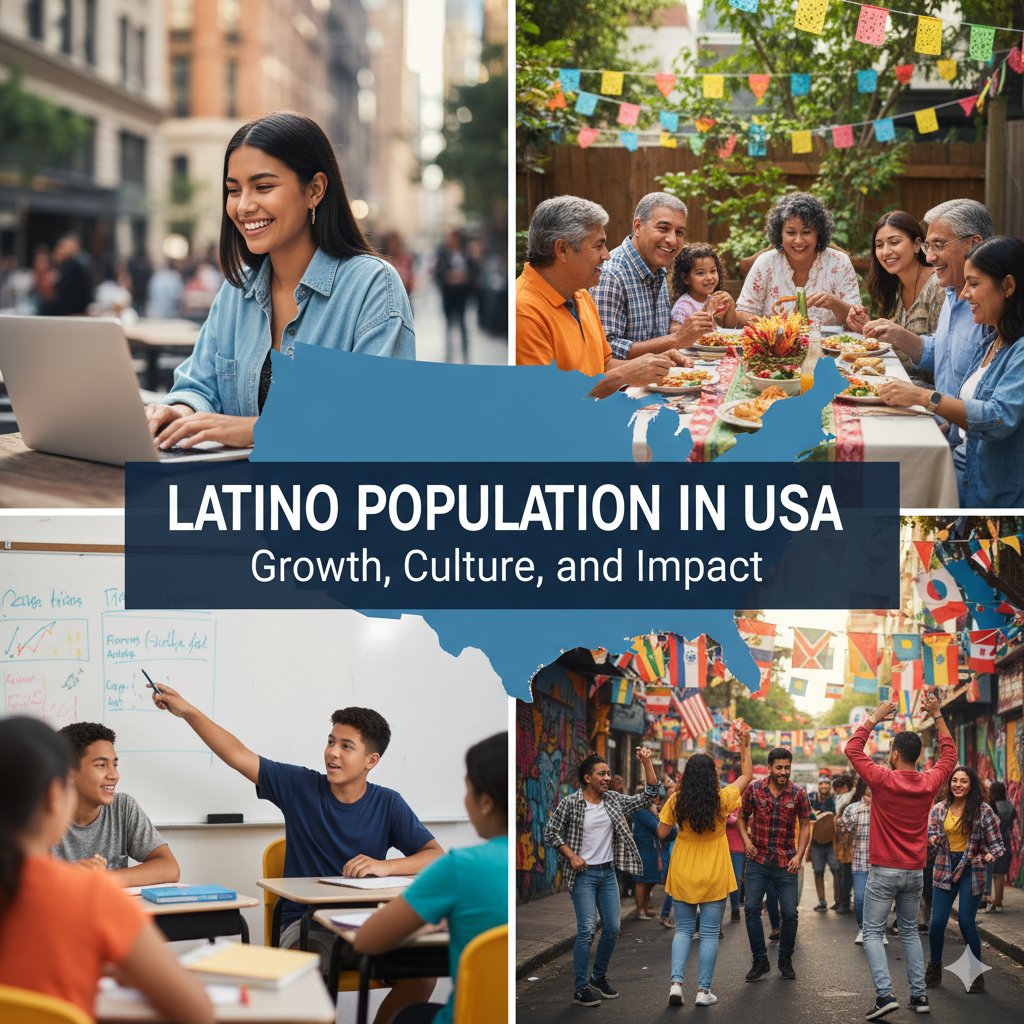
The Latino population in the United States has grown quickly over the last few decades. Today, Latinos make up around 20% of the total US population, making them the largest minority group. For a long time, many people assumed Latinos had limited buying power or little influence on major industries. Most popular Latino figures were known for cooking, music, or entertainment.
But that picture has changed.
The 2022 Census shows that the country is becoming older and more diverse. This shift gives minority groups more visibility, confidence, and economic influence. Because Latinos make up such a large share of the population, they are playing a powerful role in shaping business decisions, media, politics, and everyday life.
Below is a look at how this growing population is reshaping different industries, supported by clear examples and scenarios that reflect real situations.
1. Stronger Push for Diversity
The rise in the Latino population has encouraged many companies and media platforms to take diversity more seriously.
For example, imagine a TV network planning a lineup for the new year. Ten years ago, their default focus may have been English-only shows with mostly white casts. Today, that same network knows that large parts of their audience are Hispanic families. So they add bilingual shows, hire Latino writers, and create roles that represent Hispanic culture accurately.
This change improves representation and helps more people feel seen. It also helps the public understand different cultures, something the US needs as its population continues to grow more mixed.
2. Changing Business Strategies and Marketing Plans
The growth in the Latino population has changed how companies think about customers.
Increasing Buying Power
Hispanics are one of the fastest-growing consumer groups. Their buying power is expected to reach over $2.5 trillion in the coming years. No company can afford to ignore a group with that level of spending power.
Scenario Example
Picture a phone company launching a new internet plan. In the past, they might run ads mainly in English. Now, they create English and Spanish versions, knowing many households are bilingual. They also hire Latino marketers who understand the culture and values behind Hispanic buying decisions.
Spanish customer service has also become important. For instance, some companies now offer Cox servicio al cliente en español so customers who prefer Spanish can get help without stress. This type of support builds trust and increases customer loyalty.
3. Higher Demand for Inclusion and Tolerance
As the population becomes more diverse, people expect fair treatment and equal opportunities.
Representation in media also helps reduce stereotypes. For example, a film showing a Latino family running a successful small business gives viewers a positive image that reflects real life, not outdated ideas.
In the long run, more inclusion helps the country. It can decrease hate crimes, reduce cultural tension, and encourage people to respect one another. This creates space for new businesses, new products, and new creative ideas from minority communities.
4. More Latino Influence in Entertainment and Media
For decades, Hollywood mainly focused on white actors and white-centered stories. But the growing Latino audience has changed the market.
Streaming platforms now offer:
- More Hispanic-led movies
- Bilingual series
- Latino documentaries
- Spanish-language news
- Latin music specials
Scenario Example
A producer planning a new series may now consider settings like a Mexican American household, a Puerto Rican neighborhood store, or a Dominican-owned barbershop. These stories connect with the audience because they reflect real communities across the country.
This shift brings Latino culture into the mainstream—not just as a stereotype, but as a full, human experience.
5. A More Confident Latino Consumer
Older generations of Latinos often focused on staying safe, avoiding trouble, and working hard to survive. Many avoided public attention because of immigration fears or financial pressure.
But younger generations are different. They grew up in the US, went to American schools, and understand the system well. They are confident, vocal, and active online.
What This Means for Brands
They expect:
- Proper representation
- Respect
- Good customer service
- Marketing that speaks to them, not at them
A simple example is brand loyalty. If a clothing store ignores Hispanic customers or uses stereotypes in ads, many young Latinos will leave negative reviews and shop elsewhere. Social media makes that response even faster.
This consumer behavior forces companies to pay attention and treat Latino customers as a key part of their business.
Industries With the Highest Latino Representation
According to the US Department of Labor, Latinos make important contributions in many fields. They are especially active in:
- Agriculture and farming
- Construction
- Transportation and delivery services
- Food and hospitality
- Cleaning and building maintenance
These industries depend heavily on Hispanic labor. Without Latino workers, many US businesses would struggle to operate.
Final Thoughts
The growing Latino population is not just a demographic change. It is reshaping how businesses operate, how media tells stories, and how Americans understand one another.
As Hispanics continue to grow in number, education, and influence, their role in the US economy and culture will only become stronger.