
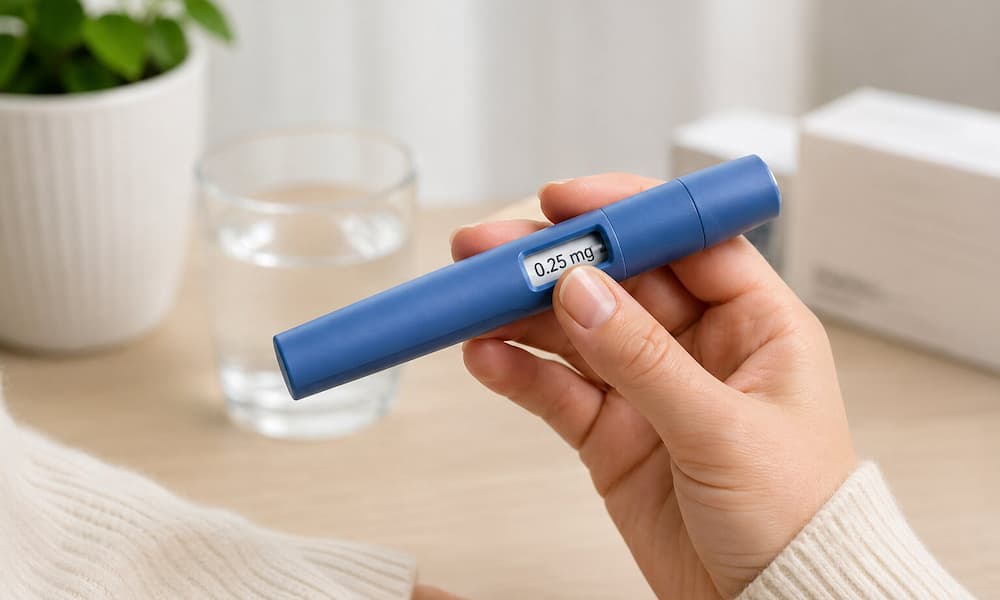
Semaglutide microdosing is a topic gaining attention for its potential role in weight management and metabolic health. In simple terms, semaglutide microdosing involves taking smaller doses of the medication than those typically prescribed for conditions like type 2 diabetes or obesity. This approach aims to minimize side effects while exploring benefits at lower doses. However, it is important to understand the common questions, associated risks, and how to evaluate options carefully.
What Is Semaglutide Microdosing?
Semaglutide is a medication originally developed to help regulate blood sugar levels and has been approved for weight management at higher doses. Microdosing means using doses smaller than typically prescribed, sometimes as low as a fraction of the standard amount. People interested in microdosing semaglutide often seek a gentler introduction to the medication or aim to reduce side effects. This approach is still under research and not formally recommended by healthcare authorities.
Common Questions About Semaglutide Microdosing
One frequent question is whether microdosing delivers similar benefits to standard dosing. Evidence so far is limited and mostly anecdotal, so clear conclusions cannot yet be drawn. Another question concerns safety-whether smaller doses reduce the risk of side effects such as nausea or digestive discomfort. While lower doses may lessen side effects, individual responses vary widely.
People also ask about the appropriate dosing schedules, how to measure microdoses accurately, and whether microdosing is cost-effective compared to full dosages. These questions highlight the need for personalized healthcare guidance when considering microdosing.
Risks and Caveats to Consider
Although semaglutide microdosing might seem appealing, there are important risks and caveats. First, underdosing could lead to insufficient therapeutic effects, meaning the benefits seen with higher doses might not occur. Second, incorrect dosing or self-administration without professional oversight can increase the risk of complications.
Additionally, the long-term safety of microdosing semaglutide is not well studied. Side effects can still happen even at low doses, and microdosing does not guarantee fewer adverse reactions. It is crucial to consider interactions with other medications and underlying health conditions.
Evaluating Semaglutide Microdosing Options: Practical Criteria
When looking into semaglutide microdosing, consider the following criteria to make a well-informed decision:
- Source credibility: Ensure any medication or advice comes from licensed healthcare providers or reliable pharmacies.
- Dosage accuracy: Microdosing requires precision. Using proper measuring tools and clear instructions is vital.
- Monitoring and follow-up: Regular check-ins with a healthcare professional help assess effectiveness and side effects.
- Cost and accessibility: Compare pricing and availability, including whether insurance covers the medication.
- Evidence and research: Review current studies and expert opinions about the efficacy and safety of microdosing strategies.
- Personal health factors: Account for medical history, other medications, and individual tolerance levels.
For those exploring semaglutide microdosing in more detail, the full FormBlends comparison offers a comprehensive overview of dosage options and safety considerations.
Short FAQ
What is the main difference between microdosing and standard dosing of semaglutide?
Microdosing involves taking smaller amounts than the typical prescribed dose, with the goal of reducing side effects or easing into the medication. Standard dosing aims to deliver therapeutic levels proven effective in clinical trials.
Can microdosing semaglutide reduce side effects?
Lower doses may lessen some side effects, but this is not guaranteed. Individual responses vary, and side effects can still occur with microdosing.
Is it safe to microdose semaglutide without medical supervision?
Using semaglutide without professional guidance can be risky. Proper dosing, monitoring, and managing potential side effects require healthcare involvement.
Final Note
This article is for informational purposes only and does not replace professional medical advice. Anyone considering semaglutide microdosing should consult with a qualified healthcare provider to discuss risks, benefits, and appropriate protocols.
What to verify before acting
Before a reader relies on any comparison about microdosing semaglutide, the safest move is to confirm the basics directly. Check when the page was last updated, whether the criteria are explained clearly, and whether the recommendation separates facts from marketing claims. It also helps to compare total cost, access requirements, support, refund language, and any limits that could change the real-world value of an option.
The goal is not to find a perfect answer from one article. The goal is to narrow the search to a short list, understand the tradeoffs, and know which questions to ask next. That approach is slower than clicking the first result, but it usually produces a better decision and reduces the chance of being pulled in by a page that ranks well without explaining enough.