
Browsing GZone can feel simple because many titles sit under familiar categories and share similar-looking menus. Confusion can start when a recognizable game name or a matching interface leads to the assumption that two modes play the same way. Category labels help with discovery, yet each title can still run on its own mechanics, flow, and win logic.
A practical approach to comparing GZone game modes can focus on what the game itself explains inside its instructions. A structured review can look at the goal of the mode, the choices available to the player, how a round is organized, what qualifies as a win, and which extra features or limits apply. This kind of comparison can reduce guesswork when moving between Filipino card games, Bingo, slots and arcade titles, Perya-inspired games, and provider-based selections.
Quick Guide: Comparing GZone Game Modes
A five-part check can support fast and accurate comparisons in GZone:
- objective, 2) player actions, 3) round structure, 4) winning conditions, 5) special features.
A follow-up scan can cover stakes, eligibility rules, and other in-game conditions. Similar names and shared UI elements can still hide major differences, so checking the current instructions for the exact title can matter. A session plan can also include preset time and spending limits.
Start With the Category, Then Verify Title Rules
Filtering by category can narrow down options quickly. Card games and Bingo follow very different logic than slots or Perya-inspired titles, and each format can use different pacing and decision points. Even so, a category cannot function as a complete rulebook, since two games in the same category can still use different turn sequencing, bonus systems, or win requirements.
PAGCOR’s GameZone Approved Electronic Games list dated March 19, 2026 can serve as an example of why labels help but do not explain everything. The list identifies Tongits Plus and Tongits Quick as separate table-game entries. It also classifies Epic Ace and Grand Ace as slots, while Color Game with Lightning Bonus Feature and Pinoy Drop Ball appear under live dealer table games. The classifications can indicate a broad format, but the fine details still come from each title’s instructions.
Five Questions to Ask Before Choosing a GZone Game
1) What is the objective?
A comparison can begin by identifying what the mode asks the player to achieve. Filipino card games can revolve around specific hand rules and a defined way to win. Bingo usually centers on matching called numbers to meet a required pattern. Slots and many arcade-style titles can rely on symbols, paytables, and feature triggers. Clarifying the objective can prevent importing the wrong expectations into a mode that only looks familiar.
2) What actions can the player take?
The next check can focus on what choices exist and when they appear. Depending on the game, actions can include selecting cards, arranging a hand, choosing options during a phase, or activating a feature. Some titles can allow decisions across multiple steps, while others can limit interaction to a single selection before results display. Recognizing the timing of actions can help separate two modes that appear similar on the surface.
3) How does a round progress?
Round structure can include turn order, phases, timers, and any conditions that alter the normal flow. A mode with multiple decision points can require a different reading than a straightforward selection-and-result format. Checking the actual sequence inside instructions can reduce errors caused by assuming that a familiar title name implies a familiar order of play.
4) What determines results and wins?
Winning rules can vary by category and by title. Card games can rely on hand requirements and rule-defined win conditions. Bingo can depend on the exact pattern required and the method of validation. Slots can tie outcomes to the paytable and feature rules. A clean comparison can avoid transferring rules from one title to another unless the instructions match.
5) Which conditions, limits, and features apply?
This step can cover stakes, payout conditions, eligibility requirements, and feature-specific terms. Bonus rounds or special features can introduce separate rules, so reading those conditions can matter as much as understanding base gameplay. Any displayed values can also require interpretation inside the game’s own help or rules section.
Practical Example: Tongits Plus vs. Tongits Quick
Related naming can create the impression of identical gameplay. Tongits Plus and Tongits Quick can illustrate why a title-by-title check can help. PAGCOR’s March 19, 2026 approved list treats both as separate entries, so the shared “Tongits” label cannot serve as proof that rules, configurations, or features match.
A side-by-side review can use the same checklist for both titles:
- objective (as written in current instructions)
- card configuration (deck details and included cards)
- turn structure (sequence of turns and actions)
- special mechanics (mode-specific features or modifiers)
- winning conditions (exact rule-defined win outcomes)
Category-Based Checklist for Faster Screening
- Filipino card games: card rules, turn order, hand requirements, win conditions; mix-ups can come from assuming related titles share identical rules
- Slot games: paytable, symbols, paylines/ways, special features; confusion can come from assuming similar themes imply similar mechanics
- Bingo: calling process, card format, required pattern; mix-ups can come from swapping pattern requirements across titles
- Perya-inspired games: selection steps, round procedure, result conditions; confusion can come from expecting digital versions to copy every traditional convention
- Provider-based collections: individual game instructions and feature notes; confusion can come from treating one provider’s titles as one uniform format
Why Rule Confusion Happens
Familiarity can encourage quick assumptions: a recognized card-game label, a remembered Perya concept, or a repeated interface layout can lead to skipping the instructions. An illustrative player like Marco might understand color selection in one Perya-inspired title and expect the same steps in another, only to find a different selection method and different result conditions. A pause-and-check habit whenever the title changes can reduce confusion, especially when special features or extra phases appear.
Official Access, Eligibility, and Responsible Play Checks
A rules comparison can sit alongside checks for official access and eligibility. PAGCOR’s registered brands and domain names document dated July 20, 2026 identifies Gamezone under Total Gamezone Xtreme Incorporated, listing gamezone.ph as the main domain and gzone.ph among additional URLs. GameZone also describes itself as PAGCOR-licensed on its website. GameZone’s Terms of Use limit online gaming to qualified individuals 21 and above, subject to other restrictions.
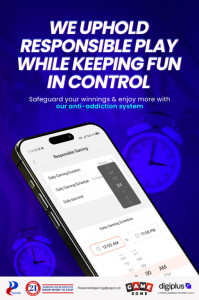
Responsible play practices can include setting time limits, setting a spending limit that does not affect essential expenses, avoiding borrowing money to gamble, and avoiding chasing losses. A predetermined limit can function as a fixed session rule, separate from outcomes.
FAQs
Do all GZone game modes play the same way?
Different categories and individual titles can use different objectives, actions, round structures, features, and win conditions, so title instructions can matter most.
How can differences between two GZone games be confirmed?
A comparison of objective, configuration, turn structure, special features, and winning rules can be matched to the current instructions shown inside each title.
Can players under 21 access GZone?
GameZone’s Terms of Use describe eligibility for qualified individuals aged 21 and above, subject to other restrictions.